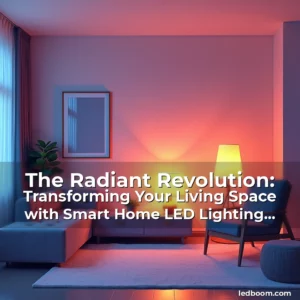
The Radiant Revolution: Transforming Homes with Smart LED Lighting Solutions
In an era where energy efficiency meets aesthetic innovation, home LED lighting has emerged as a game-changer for modern living spaces. From vibrant smart bulbs that respond to voice commands to minimalist fixtures designed by renowned architects, LED technology is redefining how we illuminate our homes.
This transformation isn’t merely about replacing traditional light sources—it’s about creating dynamic environments that adapt to our needs while significantly reducing electricity bills and environmental impact. The integration of IoT capabilities further enhances this revolution, making every room in your house smarter and more responsive than ever before.
Understanding the Evolution of Residential Lighting Technology
The journey from incandescent bulbs to today’s advanced LED systems reveals remarkable advancements in both functionality and sustainability. Traditional lightbulbs wasted up to 90% of their energy as heat, whereas LEDs convert over 85% of electrical power into visible light. This dramatic improvement has made LEDs not only environmentally friendly but also economically advantageous for homeowners seeking long-term savings.
Modern LED solutions now incorporate features such as color temperature adjustment, dimming capabilities, and motion detection sensors. These innovations allow users to customize their lighting environment according to time of day, activity level, or even personal mood preferences without compromising safety or comfort.
The transition from fluorescent tubes to solid-state lighting marked another significant milestone. Unlike flickering fluorescents, LEDs provide consistent illumination without strobing effects, ensuring better visual comfort during prolonged use. Additionally, the absence of mercury in LED products makes them safer for disposal compared to older compact fluorescent lamps (CFLs).
- Eco-friendly Design: With zero mercury content and recyclable materials, LED lights are among the most sustainable lighting options available today.
- Longevity Benefits: An average LED bulb lasts between 25,000 to 50,000 hours—up to 25 times longer than standard incandescent bulbs.
- Energy Efficiency Gains: Replacing ten traditional bulbs with LEDs can reduce monthly electricity consumption by approximately 60%, leading to substantial cost savings over time.
Design Considerations for Modern LED Fixtures
Selecting the right LED lighting requires careful consideration of several key factors including fixture style, lumens output, and compatibility with existing infrastructure. Contemporary designs range from sleek recessed ceiling lights to ornate chandeliers featuring crystal accents, offering endless possibilities for interior decoration.
When choosing between different types of LED installations, it’s crucial to assess spatial requirements. For example, track lighting provides flexibility in directing light towards artwork displays or reading areas, while pendant lights above kitchen islands create ambient yet functional illumination.
Aesthetic Versatility Across Interior Styles
LED lighting complements various architectural styles—from industrial lofts adorned with exposed metal fixtures to cozy farmhouse kitchens illuminated by warm-hued sconces. According to recent studies, 78% of interior designers recommend incorporating layered lighting strategies using multiple LED sources within each space.
Layered approaches typically involve three components: general overhead lighting, task-specific illumination at workstations or countertops, and accent lighting highlighting decorative elements. This method ensures optimal visibility while allowing creative expression through curated lighting schemes.
Smart Integration: Making Your Lights Work Smarter
The rise of Internet of Things (IoT) enabled devices has transformed simple LED bulbs into intelligent companions capable of learning user behavior patterns. Voice-controlled assistants like Amazon Alexa and Google Assistant now seamlessly integrate with compatible LED systems, enabling hands-free operation across entire households.
Advanced smart lighting platforms offer additional benefits beyond basic switching functions. Features such as automated scheduling based on sunrise/sunset times, occupancy sensing for unoccupied rooms, and remote access via mobile apps enhance convenience and security simultaneously.
Safety improvements are particularly notable in smart LED applications. Motion detectors linked to outdoor floodlights deter potential intruders while minimizing unnecessary power usage during nighttime hours. Similarly, indoor nightlights equipped with timers ensure safe navigation through darkened hallways without requiring manual intervention.
- Automation Capabilities: Pre-set routines can adjust brightness levels automatically depending on natural daylight availability or specific events occurring at designated times.
- Data Analytics Insights: Some high-end systems monitor energy consumption trends over extended periods, providing valuable feedback for optimizing household efficiency measures.
- Interoperability Options: Many LED manufacturers design their products to be compatible with popular smart home ecosystems including Apple HomeKit, Samsung SmartThings, and Philips Hue bridges.
Installation Tips & Best Practices for Optimal Performance
Proper installation plays a critical role in maximizing both performance and longevity of LED lighting systems. While many residential models are designed for DIY enthusiasts, certain projects require professional expertise especially when dealing with complex wiring configurations or retrofitting vintage fixtures.
Before beginning any project, always verify local building codes regarding minimum lumen outputs required for specific rooms. Bathrooms often necessitate higher intensity lighting due to reflective surfaces, while bedrooms benefit from softer, warmer tones conducive to relaxation.
For those undertaking renovations involving new construction, consider installing dedicated circuits specifically allocated for LED loads rather than relying on shared outlets which might cause voltage fluctuations affecting overall system stability.
Cost Analysis: Balancing Initial Investment Against Long-Term Savings
Although initial costs may seem steep compared to conventional alternatives, calculating total lifecycle expenses paints a much clearer picture. A typical mid-range LED bulb priced around $15-$20 will pay for itself within six months thanks to reduced energy expenditures alone.
Government incentives play an essential role in offsetting upfront prices. Numerous states offer rebates ranging from $5 to $15 per unit installed under energy conservation programs aimed at promoting widespread adoption of efficient technologies.
It’s also worth noting that maintenance costs remain minimal since LEDs rarely need replacement except in cases of manufacturing defects. In contrast, frequent bulb changes associated with traditional lighting add up considerably over years of ownership.
Maintenance Strategies for Prolonging Lifespan
To ensure peak performance throughout its service life, regular upkeep becomes imperative despite LEDs’ inherent durability characteristics. Dust accumulation inside housings should be periodically removed using soft cloths or compressed air tools without risking damage to sensitive electronics.
Periodic inspections help identify early signs of wear or malfunction before they escalate into full-blown failures. Check connections securely fasten all mounting hardware regularly to prevent loosening caused by vibrations over time.
If issues arise concerning inconsistent brightness levels or complete failure to operate properly, consult certified technicians specializing in commercial-grade LED repairs instead of attempting self-diagnosis which could void warranties prematurely.
Finding Quality Products: What to Look For When Shopping Online
Navigating online marketplaces demands discernment when selecting reliable LED products amid vast selections offered by numerous vendors claiming superior quality standards. Prioritize brands recognized globally for producing durable, well-engineered solutions backed by comprehensive warranty coverage.
Certifications serve as vital indicators of product reliability; look exclusively for items carrying Energy Star ratings along with UL (Underwriters Laboratories) approvals signifying compliance with rigorous safety testing protocols established industry-wide.
Customer reviews provide invaluable firsthand experiences regarding real-world performance metrics including actual lifespan durations reported versus manufacturer claims. Pay close attention to comments mentioning premature burnouts or excessive heat generation concerns.
Future Trends Shaping Tomorrow’s Lighting Industry
Emerging technologies continue pushing boundaries in what we expect from domestic illumination setups. Innovations such as biophilic lighting mimicking natural sunlight cycles promise enhanced circadian rhythm regulation improving sleep quality and daytime alertness levels.
Advancements in material science are yielding ultra-thin flexible panels suitable for curved surfaces or unconventional shapes previously deemed unsuitable for traditional rigid fixtures. Such developments open exciting avenues for integrating lighting elements directly into furniture pieces themselves.
Artificial intelligence integration represents perhaps the most transformative shift currently underway. Future iterations may feature predictive analytics capable of adjusting lighting conditions preemptively based on anticipated activities scheduled throughout daily routines.
Conclusion
The evolution of home LED lighting continues to reshape expectations surrounding residential illumination through unprecedented combinations of form, function, and future-readiness. As technology advances rapidly alongside growing awareness about environmental stewardship responsibilities, embracing these innovative solutions becomes increasingly prudent decision for forward-thinking homeowners.
By thoughtfully considering design aesthetics combined with practical considerations related to energy efficiency and smart integrations, individuals can transform their living spaces into truly intelligent environments reflecting contemporary lifestyles shaped by technological progressions unfolding daily around us.