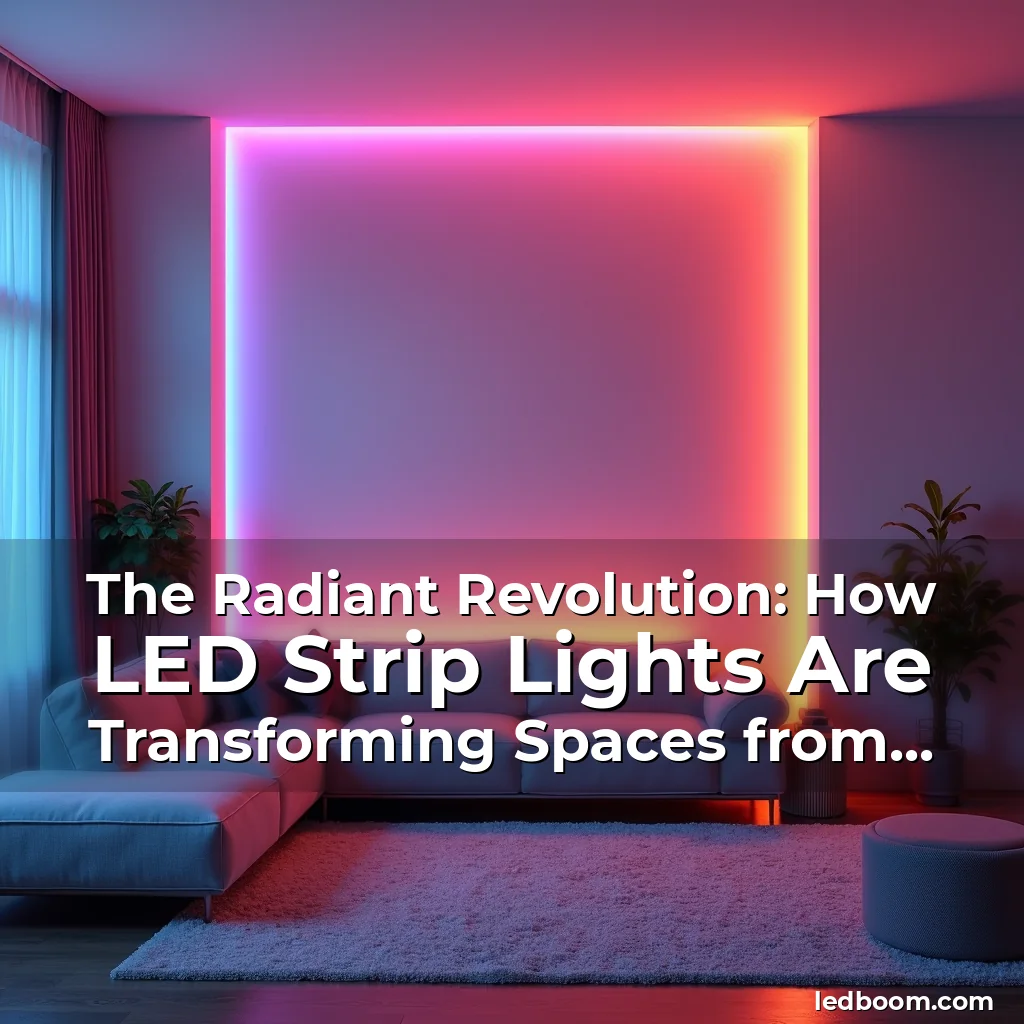
The Radiant Revolution: How LED Strip Lights Are Transforming Spaces from Homes to High Tech
In an era where light is both functional and artistic, LED strip lights have emerged as the silent revolutionaries redefining how we illuminate our surroundings. From under-cabinet lighting that adds depth to kitchen countertops to dynamic color-changing strips that transform living rooms into immersive environments, these versatile tools are reshaping spaces across industries.
What sets LED strip lights apart is their remarkable combination of energy efficiency, adaptability, and aesthetic appeal. Unlike traditional lighting solutions, they offer designers and homeowners unprecedented control over brightness, color temperature, and even movement patterns through smart integration capabilities.
The Science Behind Illuminating Innovation
At the heart of every LED strip lies semiconductor technology that converts electrical current into visible light with extraordinary efficiency. This process involves diodes made primarily of gallium compounds that emit photons when energized, creating illumination without the need for incandescent filaments or gas discharge.
The result is lighting systems that consume up to 80% less power than conventional bulbs while maintaining comparable brightness levels. This efficiency stems from direct conversion processes rather than heat generation, making them ideal for applications requiring long-term operation without excessive energy consumption.
Modern LED strips incorporate advanced thermal management features such as heat sinks and specialized mounting materials to ensure longevity. These innovations prevent premature degradation caused by overheating, allowing typical lifespan expectations to range between 25,000 to 50,000 hours of continuous use.
- Eco-friendly Operation: The reduced energy demand translates into lower carbon footprints, aligning perfectly with global sustainability goals and green building certifications.
- Versatile Application: Whether illuminating narrow gaps between furniture pieces or wrapping around architectural elements, their slim profiles enable creative installations previously unattainable with standard fixtures.
Redefining Architectural Expression Through Light
Achieving visual impact through strategic lighting has become increasingly sophisticated with the advent of addressable LED strips capable of displaying thousands of individual colors simultaneously. Design professionals now manipulate light as a design element akin to paint strokes on canvas.
This capability extends beyond static displays; motion sensors and programmable controllers allow for reactive lighting scenarios where ambient conditions influence illumination characteristics in real-time. Imagine corridors that brighten automatically during late-night hours or workspaces adjusting hue based on natural daylight cycles.
Architects and interior designers leverage RGBW (Red Green Blue White) configurations to achieve nuanced shading effects. By combining primary colors with white LEDs, they can create warm tones suitable for residential settings while maintaining accurate color rendition crucial for commercial applications.
The Artistry of Color Temperature Manipulation
Color temperature, measured in Kelvin units, significantly impacts spatial perception and mood creation. Cool whites at 6500K enhance alertness and concentration, making them optimal for study areas and offices. Warm whites at 2700K foster relaxation, perfect for bedrooms and dining zones.
Smart LED systems often include built-in dimming functions that adjust intensity alongside color temperature shifts. This dual functionality allows occupants to customize their environment according to daily routines or personal preferences without compromising comfort levels.
Recent studies indicate that appropriate lighting environments can increase productivity by up to 15% in office settings. This finding underscores the importance of thoughtful illumination strategies when designing modern workspaces.
Unveiling the Technological Marvels Powering Modern Lighting Systems
Beneath their sleek exteriors lie complex circuitry networks enabling multifunctional performance. Addressable LED strips feature microcontrollers embedded within each segment, allowing independent control over hundreds of individual LEDs along a single run.
These intelligent circuits communicate via standardized protocols like DMX512 or proprietary wireless signals, facilitating synchronization with other smart home devices. Integration with voice assistants such as Alexa or Google Home further expands usability through hands-free commands.
Advanced models incorporate environmental sensing technologies that adjust brightness based on ambient light levels. This automatic regulation not only enhances user experience but also contributes to significant energy savings by preventing unnecessary illumination during daylight hours.
- Safety Enhancements: Many contemporary systems include overload protection mechanisms that shut off power if voltage fluctuations exceed safe thresholds.
- Installation Simplicity: Adhesive backing and flexible designs reduce installation time compared to traditional wiring methods, making DIY projects more feasible for non-professionals.
Creative Applications Across Diverse Industries
The versatility of LED strip lighting transcends residential settings, finding critical roles in healthcare facilities, educational institutions, and entertainment venues worldwide. In hospitals, tunable lighting systems help regulate circadian rhythms for patients undergoing treatment.
Classrooms benefit from adjustable lighting that supports different learning activities—brighter setups for reading tasks and softer illumination for group discussions. This flexibility promotes better student engagement and reduces eye strain associated with prolonged screen exposure.
Amusement parks utilize high-intensity LED strips to create dramatic visual effects, transforming ordinary structures into vibrant landmarks after dark. Motion-sensitive installations add interactive elements that respond to visitor movements, enhancing overall immersion experiences.
Design Considerations for Optimal Installation
Selecting the right type of LED strip depends heavily on intended application and environmental factors. Rigid PCB-based strips provide structural integrity suitable for permanent installations, whereas soft flex options cater to curved surfaces and temporary setups.
Waterproof ratings determine suitability for outdoor or wet locations. IP65-rated strips resist dust ingress and water jets, making them viable choices for patios and bathrooms. Higher IP classifications may be required for submerged applications like aquariums or swimming pools.
Proper spacing between segments ensures uniform light distribution. Manufacturers typically recommend intervals matching the length of individual LED clusters to avoid noticeable gaps or overly concentrated illumination spots.
- Power Supply Selection: Calculating total wattage requirements prevents voltage drops that could compromise performance. Match power supply capacity precisely with system demands to maintain consistent output quality.
- Cutting Guidelines: Most strips feature designated cut points marked along the length. Always follow manufacturer specifications regarding permissible cutting positions to preserve electrical continuity and waterproof integrity.
Emerging Trends Shaping Future Innovations
The industry continues evolving rapidly, driven by advancements in material science and connectivity technologies. Organic Light Emitting Diode (OLED) panels represent a promising alternative offering ultra-thin form factors and organic luminescence properties distinct from traditional semiconductors.
Integration with Internet of Things (IoT) platforms enables remote monitoring and predictive maintenance capabilities. Smart sensors detect potential failures before they occur, reducing downtime and extending equipment life expectancy through proactive interventions.
Advances in nanotechnology promise lighter weight constructions without sacrificing durability or luminosity output. These developments position LED lighting as a cornerstone technology in upcoming smart city infrastructure initiatives focused on sustainable urban development.
Finding Your Perfect Fit: A Buyer’s Guide to LED Strips
Navigating the marketplace requires understanding key specifications that differentiate products. Begin by assessing your project needs—consider whether constant color or variable hues will best serve your purpose.
Determine required coverage area and calculate necessary lengths accordingly. Remember that additional connectors and extension cables might be needed for larger installations covering multiple walls or ceilings.
Research compatibility with existing smart home ecosystems if integrating with automation systems. Check if preferred brands support popular platforms like Apple HomeKit or Samsung SmartThings before finalizing purchases.
Compare warranty terms offered by various manufacturers. Look for extended guarantees covering both product defects and normal wear-and-tear scenarios common in frequently used lighting fixtures.
Don’t overlook safety certifications ensuring compliance with international standards. Products bearing CE marking demonstrate adherence to European Union regulations concerning electromagnetic compatibility and low-voltage directives.
Consider value-added features such as touch controls or gesture recognition interfaces that simplify everyday interactions with your lighting setup. These convenience enhancements justify slightly higher initial investment costs over time.
Conclusion
The journey through the world of LED strip lighting reveals its profound impact on modern living and working environments. As we’ve explored, these innovative systems combine technological sophistication with artistic expression to redefine what’s possible in illumination design.
Whether enhancing home aesthetics or optimizing industrial operations, choosing the right LED solution empowers users to craft personalized atmospheres tailored specifically to their needs. Embrace this radiant transformation today and discover new dimensions of creativity illuminated by tomorrow’s brightest ideas.

news is a contributor at LED Boom. We are committed to providing well-researched, accurate, and valuable content to our readers.