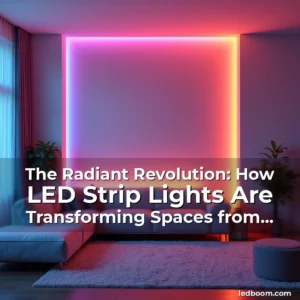
The Ultimate Illumination Solution: Exploring the World of LED Strip Lights
In an era where lighting can transform spaces from ordinary to extraordinary, LED strip lights have emerged as a revolutionary innovation. These versatile light sources are redefining how we illuminate our homes, offices, and even outdoor environments.
With their energy efficiency, flexibility, and vibrant color options, LED strips offer solutions that traditional lighting systems cannot match. Whether you’re looking to create ambiance or enhance functionality, these strips provide endless possibilities.
Understanding the Basics of LED Strip Lighting Technology
At their core, LED strip lights consist of a series of surface-mounted LEDs mounted on a flexible circuit board. This design allows them to be bent around corners and shaped according to your needs without losing performance.
The technology behind LED strips has evolved significantly over recent years. Modern strips now feature advanced thermal management systems that ensure longevity while maintaining optimal brightness levels.
- Flexible Design: The pliable nature of LED strips makes them ideal for installation in tight spaces or unusual configurations
- Versatile Power Options: From low-voltage DC systems to smart home-integrated models, there’s a power solution for every application
- Durable Construction: High-quality strips often include waterproof ratings suitable for both indoor and outdoor use
These technological advancements have made LED strips more reliable than ever before. They maintain consistent output even under demanding conditions, making them suitable for commercial applications as well as personal projects.
The Advantages of Choosing LED Strip Lights Over Traditional Lighting
One of the most significant benefits of LED strip lighting is its remarkable energy efficiency. Compared to incandescent bulbs, LED strips consume up to 80% less electricity while providing equal or superior illumination quality.
This dramatic reduction in energy consumption translates directly into lower utility bills for homeowners and businesses alike. For instance, replacing standard overhead lighting with LED strips could save hundreds of dollars annually in operating costs.
Beyond cost savings, LED strips also boast an impressive lifespan. Industry standards suggest that high-quality LED strips last between 25,000 to 50,000 hours – roughly equivalent to 2.5 to 5 decades of regular use.
The environmental impact of switching to LED strips is equally compelling. Their long life reduces waste from frequent bulb replacements, contributing positively to sustainability efforts across industries.
Applications Across Diverse Environments
The versatility of LED strip lights makes them applicable in numerous settings beyond simple ambient lighting. Commercial establishments such as retail stores utilize these strips extensively for signage and display purposes.
Homeowners appreciate the ability to customize lighting schemes in living rooms, kitchens, and bathrooms using dimmable LED strips. These allow for mood setting through adjustable brightness levels.
Outdoor applications benefit greatly from waterproof LED strips designed specifically for weather resistance. Patios, walkways, and garden areas become safer and more inviting when illuminated by properly installed strips.
Industrial facilities also find value in LED strips due to their durability against harsh conditions. Factories and warehouses use them for task lighting where conventional fixtures might fail prematurely.
Selecting the Right LED Strip Light for Your Needs
Choosing the appropriate LED strip involves considering several key factors including length requirements, voltage specifications, and desired brightness levels. It’s crucial to measure spaces accurately before purchasing any product.
Different types of LED strips exist based on mounting methods – adhesive-backed versions simplify installations while channel covers add protection against dust and moisture intrusion.
Color temperature plays another vital role; warm white (around 2700K) creates cozy atmospheres whereas cool white (about 6500K) enhances visibility during tasks requiring concentration.
If you want dynamic effects, consider RGB LED strips capable of displaying millions of colors through remote control or smartphone apps. However, remember they require additional controllers for full functionality.
Installation Tips for Optimal Performance
A successful LED strip installation begins with careful planning. Map out exactly where you intend to place each segment ensuring even distribution along surfaces being lit.
Cutting LED strips at designated marks preserves electrical integrity so always follow manufacturer guidelines regarding safe cut points within the product itself.
Proper insulation becomes critical especially when dealing with wet locations. Using waterproof connectors and sealing joints appropriately prevents water damage which could lead to system failure later on.
For complex setups involving multiple zones or color changes, investing in professional-grade controllers offers greater control capabilities compared to basic switches alone.
Maintenance and Longevity Considerations
Regular maintenance helps extend the operational life of your LED strips significantly. Dust accumulation should be addressed periodically through gentle cleaning techniques avoiding abrasive materials that may scratch delicate components.
Inspect connections regularly for signs of wear particularly after prolonged usage periods exceeding six months continuously. Loose contacts can cause flickering issues affecting overall visual experience.
If problems arise despite following correct care procedures, troubleshooting steps usually involve checking power supplies first since faulty adapters frequently result in malfunction symptoms.
Replacement parts are generally available online but verify compatibility before ordering new components. Always refer back to original equipment manuals for precise guidance related to repairs.
Evolving Trends in LED Strip Lighting Innovations
Recent developments continue pushing boundaries within the field of LED strip technology. Smart integration features enable voice-controlled adjustments via compatible assistants like Alexa or Google Home devices.
Sustainability remains central theme driving current innovations too. Manufacturers increasingly prioritize eco-friendly production processes reducing carbon footprints associated with manufacturing cycles.
Advancements in material science contribute towards creating thinner yet more robust products suitable for minimalist interior designs popular today among architects worldwide.
Looking ahead future improvements likely include enhanced connectivity options allowing seamless synchronization between various smart appliances inside modern residences.
Conclusion
From transforming everyday spaces into visually stunning environments to offering sustainable alternatives to outdated lighting technologies, LED strip lights represent a paradigm shift in illumination practices globally.
To fully realize potential benefits offered by these innovative products, take time understanding different varieties available then implement thoughtful strategies tailored specifically toward individual preferences and practical necessities.

news is a contributor at LED Boom. We are committed to providing well-researched, accurate, and valuable content to our readers.