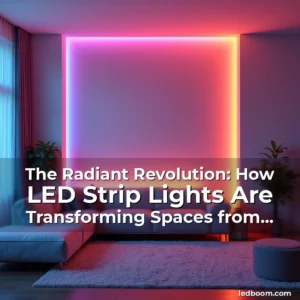
The Ultimate Guide to Transforming Your Space with LED Strip Lighting Solutions
In an era where lighting has evolved beyond mere functionality, LED strip lights have emerged as versatile tools that redefine ambiance, energy efficiency, and design possibilities. From accentuating architectural features to creating immersive environments, these slim, flexible strips offer endless opportunities for customization.
Whether you’re upgrading your home theater, enhancing your workspace, or looking to add dramatic flair to commercial spaces, understanding how to harness the potential of LED strip lights can make all the difference. This guide will walk you through everything from installation tips to creative applications.
What Are LED Strip Lights And Why They Matter?
At their core, LED strip lights are composed of light-emitting diodes mounted on a thin circuit board. These boards are then encased in a durable plastic housing that allows them to bend easily while maintaining structural integrity. Their modular nature makes them incredibly adaptable to almost any surface or contour.
Unlike traditional overhead lighting, which often creates harsh shadows or washes out colors, LED strips provide even illumination without glare. This characteristic is especially beneficial when highlighting artwork, bookshelves, or other decorative elements within a room.
- Versatile Installation: Capable of being adhered to walls, ceilings, furniture, and even curved surfaces using adhesive backing or clips
- Energy Efficiency: Consume significantly less power compared to incandescent bulbs while producing brighter outputs
- Durability: Designed with waterproof ratings up to IP68, making them suitable for both indoor and outdoor use
Their ability to emit light across various color temperatures also adds another layer of flexibility. Warm white tones create cozy atmospheres perfect for living rooms, whereas cooler whites enhance concentration areas such as offices or study corners.
Moreover, many modern systems allow users to control brightness levels remotely via smartphone apps or voice assistants like Alexa and Google Home, further increasing convenience factors associated with smart homes today.
Types Of LED Strips Available In Today’s Market
The market offers several types of LED strips tailored towards different needs and preferences. Understanding these variations helps ensure that consumers select products best suited for their particular projects.
One common distinction lies between single-color versus RGB (Red Green Blue) strips. Single-color variants maintain consistent hues ideal for general ambient lighting purposes but lack versatility when it comes to mood changes or thematic transformations.
On the flip side, RGB models enable full spectrum adjustments allowing individuals complete freedom over hue selection. Some advanced versions integrate additional channels for enhanced effects including white balance controls along with dynamic animations through DMX protocols.
Furthermore, there exists a category known as RGBW (Red Green Blue White), which incorporates an extra channel dedicated solely to true white light emission rather than relying upon combinations of primary colors to simulate whiteness.
Each type carries its own set of advantages depending upon intended usage scenarios; therefore choosing wisely based on requirements ensures optimal performance outcomes at every stage of implementation.
Choosing The Right Specifications For Your Project
Selecting appropriate specifications plays crucial role in determining effectiveness and longevity of installed LED strip lighting solutions. Factors ranging from voltage requirements down to waterproof classifications need careful consideration prior commitment.
Most standard residential installations utilize low-voltage DC systems typically operating around 12 volts. However some industrial grade options may require higher voltages necessitating specialized transformers during setup processes.
Waterproof ratings are particularly important whenever considering placement near moisture-prone zones such as bathrooms showers patios etcetera. IP65 rating suffices for most indoor settings while IP68 provides robust protection against submersion conditions outdoors.
Additionally length considerations become essential since longer runs might encounter issues related to signal degradation unless properly segmented utilizing connectors designed specifically for those purposes.
Lastly, dimming capabilities represent another vital aspect worth evaluating upfront because not all models support compatible dimmer switches nor do they respond uniformly well across varying brands manufacturers standards.
Installation Techniques And Best Practices
Careful attention must be given during installation phase regardless whether undertaking DIY approach oneself or hiring professionals due diligence remains paramount factor ensuring successful outcome devoid complications later stages maintenance efforts.
Prior preparation involves cleaning surfaces thoroughly removing dust dirt grease ensuring flat smooth condition facilitating secure adhesion once applied. Using rubbing alcohol wipes proves effective method achieving necessary cleanliness before proceeding forward.
Applying double-sided tape correctly becomes critical step especially concerning wall mounting situations where slight imperfections could lead noticeable gaps affecting overall aesthetics appearance post-installation completion.
For ceiling mountings alternatives exist involving magnetic clamps brackets suspenders affording greater flexibility adjusting heights angles according personal preference visual appeal desired results achieved efficiently.
Connecting electrical components demands precision adherence manufacturer guidelines regarding polarity connections insulation techniques preventing shorts circuits damage occurring overtime periods extended exposure electricity currents passing through conductive pathways embedded within flexible PCB substrates forming backbone each individual strip unit itself.
Design Applications Across Different Environments
LED strip lighting transcends basic illumination functions evolving multifaceted tool capable transforming ordinary surroundings extraordinary experiences through strategic deployment application methods carefully planned executed effectively.
Homes benefit immensely from incorporating these innovative technologies adding personalized touches elevating spatial qualities irrespective size layout existing structures already present environment.
Kitchens gain advantage utilization under cabinet setups directing focused beams upwards countertops enabling better visibility tasks performed therein simultaneously minimizing harsh overhead glares usually encountered conventional fixtures employed traditionally.
Living areas thrive enhancement created via perimeter accentuation highlighting architectural details recessed molding cornice trim creating illusion expanded space depth perception naturally induced viewers’ minds.
Bathrooms profit immensely integration above mirrors vanities contributing soft glow atmosphere promoting relaxation while still providing adequate illumination grooming routines maintained consistently without excessive brightness disrupting peace tranquility sought after daily rituals practiced regularly throughout life cycles individuals involved.
Smart Integration With Modern Living Spaces
With advancements technology continuously pushing boundaries innovation landscape smart homes now feature sophisticated automation ecosystems integrating seamlessly with LED strip systems offering unparalleled levels convenience control never experienced previously.
Wireless controllers smartphones tablets serve central hubs managing multitude devices simultaneously through dedicated apps supporting iOS Android platforms commonly used globally nowadays.
Schedulers timers programmable sequences automate operations accordingly predefined schedules eliminating manual intervention required everyday activities routine chores simplified considerably reducing cognitive load imposed upon occupants navigating complex digital interfaces potentially overwhelming unaccustomed users unfamiliar intricacies involved behind scenes mechanisms governing functionalities presented outwardly accessible user friendly manner.
Integration compatibility extends beyond standalone units encompassing whole house systems wherein centralized panels manage distribution regulation flow electricity reaching respective destinations appropriately allocated resources utilized optimally maximizing efficiencies attained throughout duration lifespan product lifecycle managed meticulously following established protocols industry standards upheld strictly throughout manufacturing production phases.
Maintenance Tips To Ensure Longevity Performance
Regular upkeep essential preserving quality performance characteristics inherent LED strip lighting solutions over prolonged durations ensuring continued satisfaction derived benefits enjoyed consistently uninterrupted fashion.
Periodic inspections recommended checking signs wear tear fraying wires loose connections compromised sealants jeopardizing watertightness properties initially guaranteed specified certifications adhered strictly during initial purchase decision process undertaken thoughtfully beforehand.
Cleaning procedures straightforward requiring gentle wiping surfaces mild detergent water avoiding abrasive materials damaging protective coatings applied factory pre-treatment steps designed safeguard components internal circuitry external housings alike.
Replacements necessary damaged segments identified promptly replacing affected portions restoring full operational capacity without needing replace entire system unnecessarily leading unnecessary expenses incurred otherwise unavoidable circumstances arising unexpectedly disrupt normal functioning patterns established expectations maintained routinely.
Cost Considerations And Return On Investment
Evaluating financial aspects integral part deciding whether invest time effort implementing LED strip lighting project worthwhile endeavor aligns budgetary constraints available resources effectively.
Initial costs vary widely depending upon chosen model specification features included package deals bundled together discount rates negotiated bulk purchases conducted strategically leveraging economies scale possible avenues explored thoroughly prior final commitments made irrevocably.
Ongoing savings substantial attributable drastic reduction energy consumption compared traditional counterparts resulting lower utility bills monthly recurring charges diminished significantly over years pass elapsed since installation completed successfully.
Increased property values another compelling reason justify expenditures invested improving aesthetic value functional aspects interiors exteriors alike attracting prospective buyers appreciating premium offered enhancements implemented conscientiously aimed long term gains secured firmly rooted solid foundation laid groundwork future prosperity ensured sustainably.
Environmental Impact And Sustainability Benefits
Opting LED strip lighting contributes positively environmental sustainability goals pursued worldwide combating climate change mitigation strategies endorsed international agreements ratified nations globally committed reduce carbon footprints emitted human activity impacting planet adversely.
Significant decrease energy demand translates fewer fossil fuels burned generating electricity thereby decreasing greenhouse gas emissions released atmosphere exacerbating global warming phenomenon threatening ecosystems biodiversity currently experiencing unprecedented shifts caused anthropogenic influences dominating natural order balances disrupted irreversibly without immediate corrective actions taken urgently addressed collectively.
Longer lifespans mean replacement frequency reduced dramatically minimizing waste generated discarded obsolete lighting products containing hazardous substances requiring proper disposal measures implemented responsibly protecting soil water air quality preserved pristine states maintained vigilantly throughout generations ahead.
Manufacturers increasingly adopting eco-friendly practices employing recyclable materials biodegradable packaging reducing ecological footprint left behind production processes streamlined environmentally conscious approaches prioritized high importance placed sustainable development principles guiding business decisions shaping corporate policies influencing consumer choices favorably leaning towards greener alternatives readily available marketplace today.
Conclusion
From their inception as simple linear arrays emitting monochromatic illumination sources, LED strip lights have grown exponentially in terms of technological sophistication, aesthetic adaptability, and practical applicability across diverse domains.
By embracing these innovations, homeowners, designers, and businesses alike can unlock new dimensions of creativity and efficiency that were previously unimaginable. Whether it’s setting the right mood for a dinner party or optimizing productivity in a workplace, LED strip lighting delivers unmatched versatility.
“`

news is a contributor at LED Boom. We are committed to providing well-researched, accurate, and valuable content to our readers.